
What Founders Overlook When Scaling Physical Workspaces
A growing team can turn a once-perfect office into an expensive constraint. Founders often focus on location, rent and appearance, then discover that service charges, code upgrades and inflexible layouts add months to the move and strain cash flow. Physical workspace growth decisions deserve the same scrutiny as hiring or technology purchases because their costs can remain fixed for years.
Image Credit: Unsplash
Before signing, bring together your broker, legal adviser, facilities lead and a qualified building professional. Each one will spot different risks in the lease, property condition and proposed layout.
Hidden Costs in Commercial Leases
Base rent rarely reflects the full occupancy cost. Common extras include maintenance fees, utilities, property insurance contributions, repairs, security services and restoration obligations at the end of the term. This guide to hidden lease costs explains why founders should examine operating expenses early.
Request at least two years of utility and service charge records, then model annual increases. A seemingly affordable space can become costly if an aging heating system drives up energy use or the tenant must replace worn equipment. Review the landlord’s repair duties line by line and arrange a physical inspection. The Startup Magazine’s commercial space safety checks offer a useful starting point before you commit.
Meeting Modern Structural Codes
A building that previously held another business may still need substantial work for your intended use. Occupancy levels, accessible routes, emergency lighting, ventilation and fire separation can all affect approval. Changes may also trigger upgrades in areas that appeared unrelated to your initial plans.
Ask a qualified code consultant to review the proposed layout before contractors price the fit-out. If the workspace growth design calls for large open areas, protected escape routes may require solutions such as certified fire curtains that can support compartmentation while preserving usable space. Product selection, installation and maintenance should form part of the same compliance plan. Confirm who will obtain permits, document inspections and keep certificates, then put those responsibilities into the project schedule and contract.
Balancing Open Design with Safety
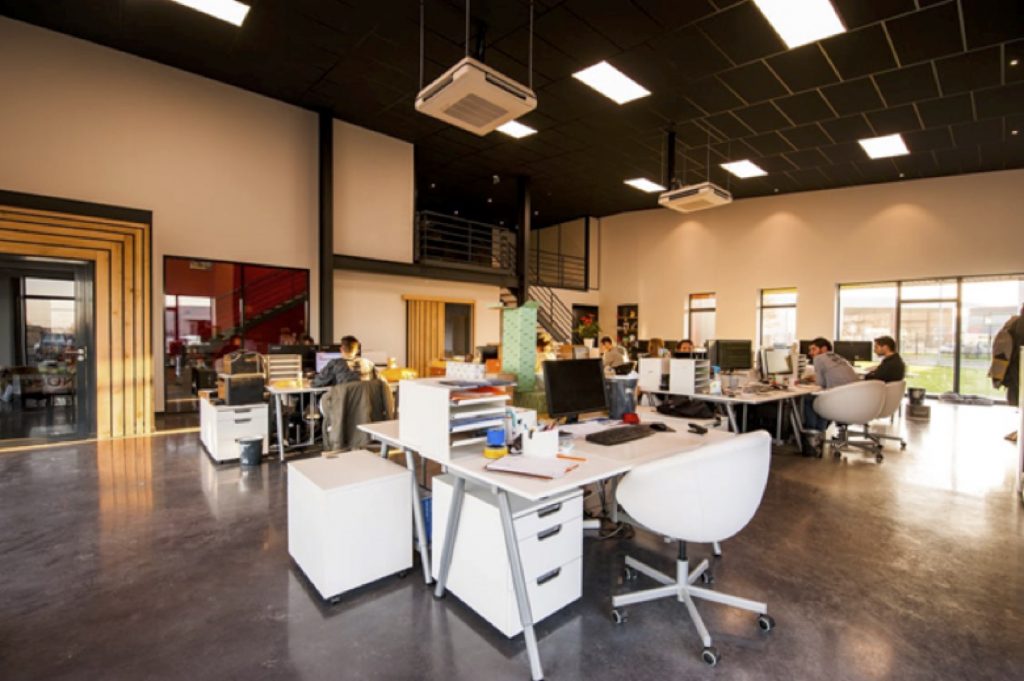
Open offices support flexible seating and easy collaboration, but removing walls can affect noise control, evacuation routes and the way smoke moves through a building. Designers should map everyday movement as carefully as emergency movement. Desks, meeting pods and storage units must stay clear of exits even when teams rearrange furniture.
Test the plan with realistic numbers. A layout that works for 30 people may feel cramped once 45 employees share meeting rooms, kitchens and circulation routes. Include accessible turning space and clear paths around high-traffic areas. Operating a physical location also creates overlooked business expenses such as upkeep and equipment replacement, so reserve funds for inspections, repairs and layout adjustments after opening.
Planning for Future Headcount Growth
Build the workspace model around several headcount scenarios, not a single forecast. Compare expected staffing at 12, 24 and 36 months, then calculate desks, meeting seats, restrooms and storage needs for each stage. Include contractors and visiting staff in peak occupancy figures.
Flexible furniture can delay an expensive move, but building services have firm limits. Electrical capacity, ventilation and exit widths may cap occupancy before floor area does. Ask the project team to identify those thresholds in writing. Lease options also matter. Expansion rights, access to another floor or a break clause can reduce the risk of paying for unused space now while preserving room to grow later. Set a quarterly trigger for reviewing headcount against those workspace growth limits.
A workspace should support growth without turning every new hire into a facilities problem. Before approving a lease, place the full occupancy budget, compliance findings and three-year staffing forecast side by side. If any figure depends on an assumption the landlord or design team hasn’t confirmed, resolve it before the signature creates a long-term obligation.