

Medical and Dental Emergencies: How to Prepare Your Finances in Advance
Unexpected medical and dental expenses can disrupt even a carefully planned household budget and considerations for your employees as well. A broken tooth, sudden illness, or emergency visit can happen at any time, often when other bills are already due. For many families across the United States, the immediate concern is not just getting the necessary care but figuring out how to afford it.
Planning ahead for unexpected health costs can make these situations easier to manage. This guide explains what qualifies as an emergency, how to build an emergency fund, what to understand about your insurance coverage, and how to handle unexpected medical bills. It offers general information, not medical, legal, or financial advice, so check your options with the relevant healthcare providers and professional advisers.
Why Emergencies Hit the Budget So Hard
Unexpected health costs are stressful because they rarely come with warning, and they often arrive on top of everyday bills. Many people respond by putting off care, which can make problems bigger later.
The Federal Reserve’s household survey gives a sense of how common this is. In its report on 2025, 26 percent of adults said they went without some form of medical care because they could not afford it. The same report found 18 percent skipped dental care, the most commonly skipped type, and 18 percent had debt from their own or a family member’s medical care. These are national, self-reported figures, so they will not match every household.
Know What Counts as an Emergency
Not every health problem needs the emergency room, and knowing the difference can save time and money. In general terms:
- Medical emergencies: chest pain, trouble breathing, severe bleeding, signs of stroke or a serious injury
- Dental emergencies: a knocked-out tooth, severe swelling, a spreading infection or pain that will not ease
- Urgent but not life-threatening: a bad toothache, a minor cut or a fever that can be seen at an urgent care clinic or dentist
If you think someone’s life is in danger, call 911. Do not delay urgent care because of cost.
Build an Emergency Fund, Even a Small One
You do not need a huge balance to start. A modest, dedicated fund can cover a deductible, a copay or a dentist’s first visit. Try this approach:
- Open a separate savings account used only for emergencies
- Set up a small automatic transfer on payday
- Add windfalls like tax refunds or bonuses
- Pick a first goal, such as one month of expenses, then raise it over time
- Keep the money easy to reach, not tied up in investments
Treat the fund as a habit, not a one-time project. Even small deposits add up.
Plan for Dental Costs Before You Need Them
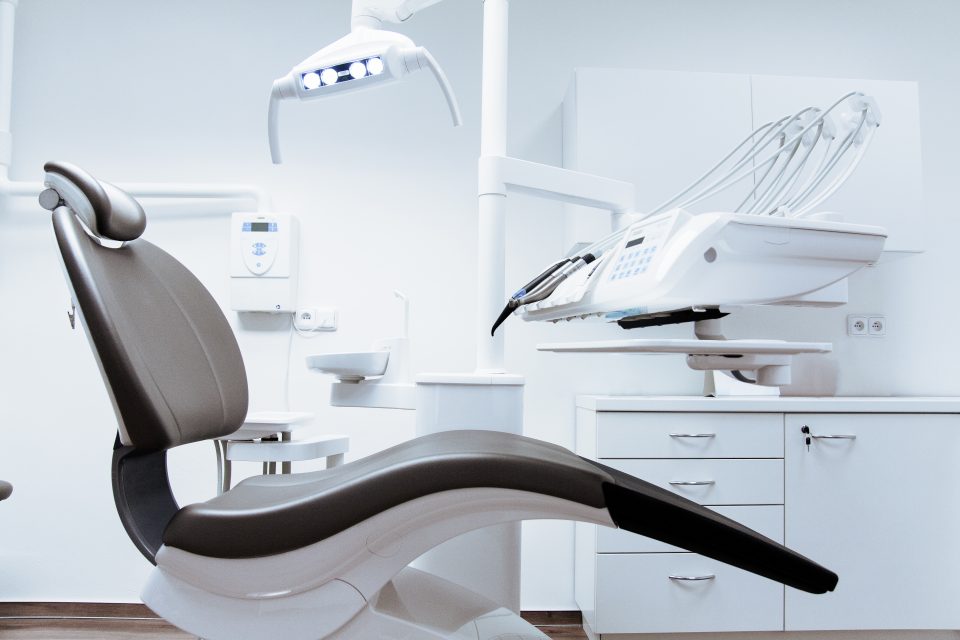
Dental coverage often comes with limitations, such as annual benefit maximums, waiting periods, and higher out-of-pocket costs for major procedures. Reviewing your benefits summary in advance can help you understand what your plan covers and where you may need additional support.
If you have limited coverage or no dental insurance, dental savings plans offer another option to consider. These memberships are not insurance. Instead, members pay an annual fee, present their membership card at a participating dental practice, and pay the discounted rate directly. They generally have no annual maximums or waiting periods, but discounts vary by plan and provider. Before enrolling, check whether your dentist participates and confirm the actual cost of the treatment you need.
Use Tax-Advantaged Accounts If You Can
Some employers and insurance plans offer accounts that let you set aside pre-tax money for health costs. Two common types are health savings accounts and flexible spending accounts. The rules, contribution limits and eligible expenses differ, so read the details from your employer or plan administrator before relying on them.
If you have one, check your balance before a planned dental procedure or medical visit. That way you can use funds you have already earmarked.
Keep Your Records Within Reach
When an emergency happens, you will not want to hunt for paperwork. Put together a simple folder, digital or paper, with:
- Insurance cards and plan summaries
- A list of medications and allergies
- Contact details for your doctor and dentist
- Recent bills and explanations of benefits
- Emergency contacts
A few minutes of organizing today saves a lot of stress later.
What to Do When the Bill Arrives
Even with preparation, a large bill can be a shock. Before paying, take these steps:
- Ask for an itemized bill and check it for errors
- Compare it with your explanation of benefits
- Ask about financial assistance or charity care programs
- Request a payment plan with clear terms
- Keep notes of who you spoke with and when
Providers often have more flexibility than people expect, but only if you ask.
Conclusion
Preparing your finances for medical and dental emergencies is about building small buffers before you need them. Learn what counts as an emergency, start a dedicated fund, review your coverage and look at options for dental costs, and use any tax-advantaged accounts available to you. Keep key records in one place, and when a bill arrives, ask questions and request itemized details before paying. These steps will not remove every surprise, but they can turn a frightening moment into one you are ready to handle.