
What Is Leading the New Manufacturing Boom in Detroit?
Detroit built its reputation on the assembly line, and for decades the name was shorthand for American automobiles. Today, the city and its surrounding region are writing a new chapter. A mix of geography, small and mid-sized shops, advanced technology, and a deep pool of skilled trades is driving Detroit’s manufacturing resurgence that reaches well beyond the Big Three. Here’s what is powering it.
A Region Built for Industry
According to Verified Industrial Properties, the Detroit Region is home to 11 counties along the Great Lakes shoreline, with major metropolitan cities like Ann Arbor, Flint, Dearborn, Novi, and Southfield. That footprint is a major reason manufacturers keep investing here.
Water access has always mattered for moving raw materials and finished goods, and the region sits within easy reach of major highways, rail lines, and the Canadian border. Because the area spans multiple cities, each with its own strengths, manufacturers can choose from a wide range of sites. Dearborn carries deep automotive roots. Ann Arbor adds a research-driven talent pipeline tied to its university ecosystem. Novi and Southfield offer corporate and engineering hubs, while Flint brings a long manufacturing heritage and available industrial space.
This variety lets companies cluster near suppliers, customers, and engineering talent. When a supplier is a short drive away instead of a cross-country shipment, lead times shrink and collaboration improves. That kind of density is difficult to replicate elsewhere, and it gives Detroit a lasting advantage as companies look to shorten supply chains and bring production closer to home.
Job Shops and Contract Machine Shops Drive Demand
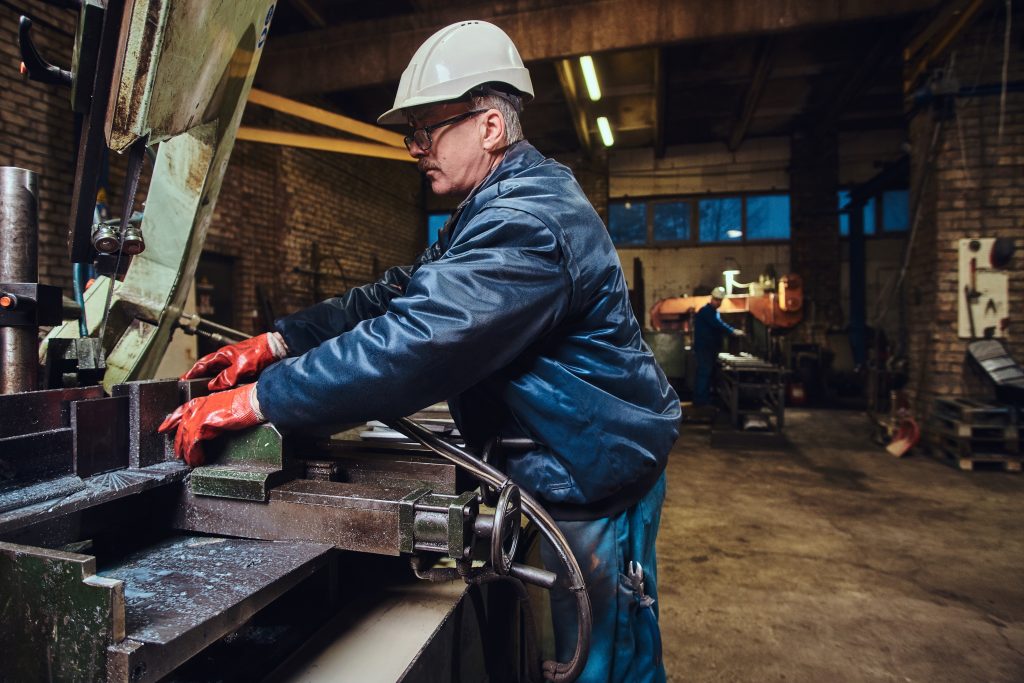
Much of Detroit’s manufacturing boom isn’t happening inside giant automaker plants. It’s happening in smaller operations. According to AMT, job shops and contract machine shops serve as the single largest customer base for manufacturing equipment, commanding over 25% of all new machinery orders.
That statistic helps explain what’s fueling Detroit. These shops are flexible, fast, and specialized. They produce prototypes, low-volume runs, and precision components for automotive, aerospace, medical, defense, and energy customers. When a manufacturer needs a part redesigned quickly or a short production run on tight tolerances, a nimble contract shop is often the answer.
Detroit is especially well suited to this model because of its dense network of tool-and-die makers, machinists, and engineers. As these shops win more work, they invest in new CNC machines, automation, and inspection equipment, which in turn creates demand for equipment dealers, service technicians, and industrial real estate. The result is a ripple effect that strengthens the entire local manufacturing ecosystem.
The Electric Vehicle Transition
Few forces are reshaping Detroit’s factories more than the shift toward electric and increasingly software-driven vehicles. Automakers and suppliers are retooling plants, building battery-related facilities, and developing new components for electrified drivetrains.
This transition creates opportunities well beyond the automakers themselves. Electric vehicles require different parts, new materials, and updated manufacturing processes. Suppliers that once focused on traditional engine and transmission components are adapting, and new entrants are arriving to fill gaps in the supply chain. Even as the pace of adoption fluctuates, the long-term direction has pushed companies to invest in Michigan facilities, equipment, and training.
Advanced Technology on the Shop Floor
Modern Detroit manufacturing looks very different from the factories of the past. Automation, robotics, additive manufacturing, and data-driven quality control are becoming standard. Sensors track machine performance in real time, software predicts maintenance needs before breakdowns occur, and digital twins allow engineers to test production changes virtually before touching a physical line.
These tools allow smaller shops to compete with much larger operations. A well-equipped contract shop can hold tighter tolerances, reduce waste, and deliver faster than ever. Technology also makes manufacturing jobs more appealing, shifting many roles toward programming, troubleshooting, and process improvement rather than purely manual work.
Skilled Trades Are the Backbone
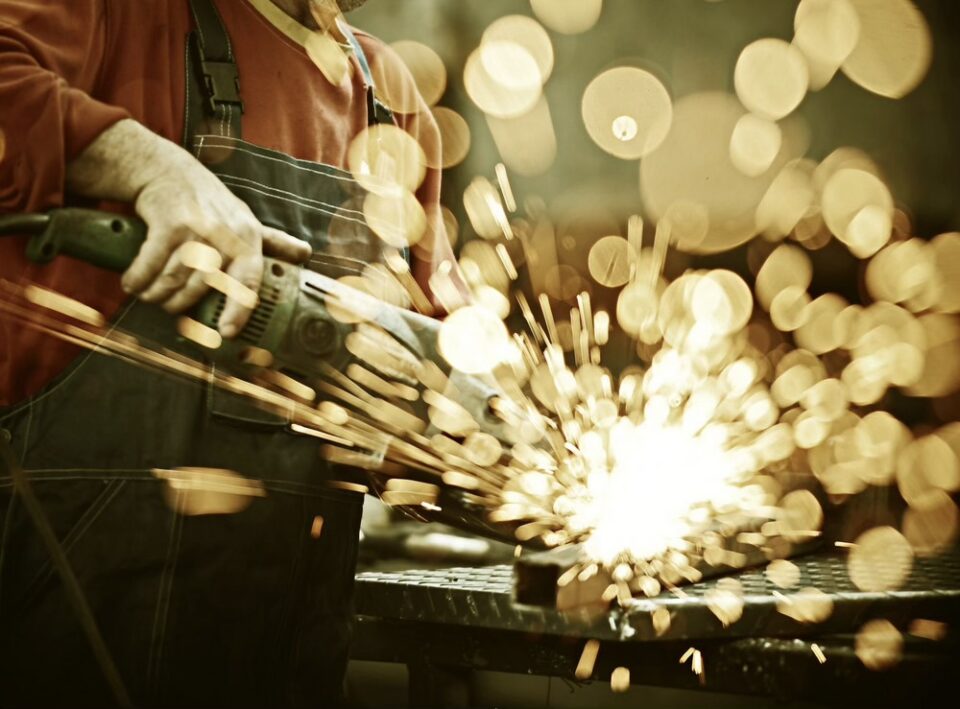
Equipment alone doesn’t make a boom. People do. According to Zippia, more than 73,315 metal fabricators are in the US. These professionals cut, bend, weld, and assemble the metal components that nearly every industry depends on, and Detroit has long been a stronghold for this kind of work.
The region benefits from a deep bench of experienced fabricators, welders, and machinists, along with community colleges, trade programs, and apprenticeships that continue to train the next generation. As veteran workers retire, employers are working harder to recruit younger talent by offering competitive pay, clear career paths, and training in modern tools like robotic welding and computer-aided design.
For anyone considering a career change or a first job after school, manufacturing in the Detroit area offers stable work, room for advancement, and the chance to build something tangible.
Reshoring and Supply Chain Resilience
Recent years have exposed how fragile long, global supply chains can be. Delays, shortages, and shipping disruptions pushed many companies to rethink where they build and source their products. Reshoring, or bringing production back to the United States, has become a strategic priority for many manufacturers.
Detroit is a natural beneficiary. Its established supplier networks, industrial buildings, logistics infrastructure, and skilled workforce make it a practical place to relocate or expand. Companies can source materials, machine components, test prototypes, and ship finished goods without leaving the region.
What the Boom Means Going Forward
Detroit’s manufacturing resurgence isn’t the result of a single factor. It’s the combination of a well-positioned region, thriving job shops, the transition to new vehicle technologies, advanced tools, a capable workforce, and a renewed focus on domestic production. Each element reinforces the others.
For business owners, that means opportunity to expand, upgrade equipment, and win new customers. For workers, it means careers with real growth potential. And for the region as a whole, it signals that the Motor City is far from finished. It’s reinventing what American manufacturing can be.