
Why Blade Geometry Matters When Manufacturing Replacement Equipment Parts
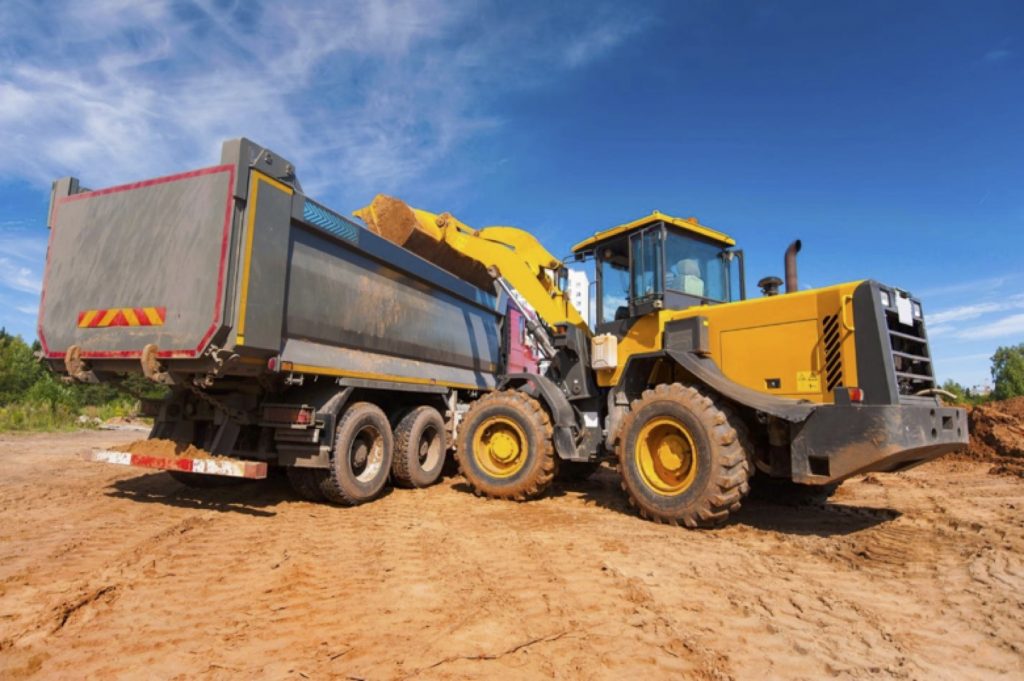
Replacement parts used in construction and earthmoving equipment must be designed with the conditions of the job in mind. A component may need to withstand repeated contact with abrasive surfaces, handle substantial pressure, and maintain its working shape through demanding cycles. For grader blades, the geometry of the cutting edge is an important part of how the component performs.
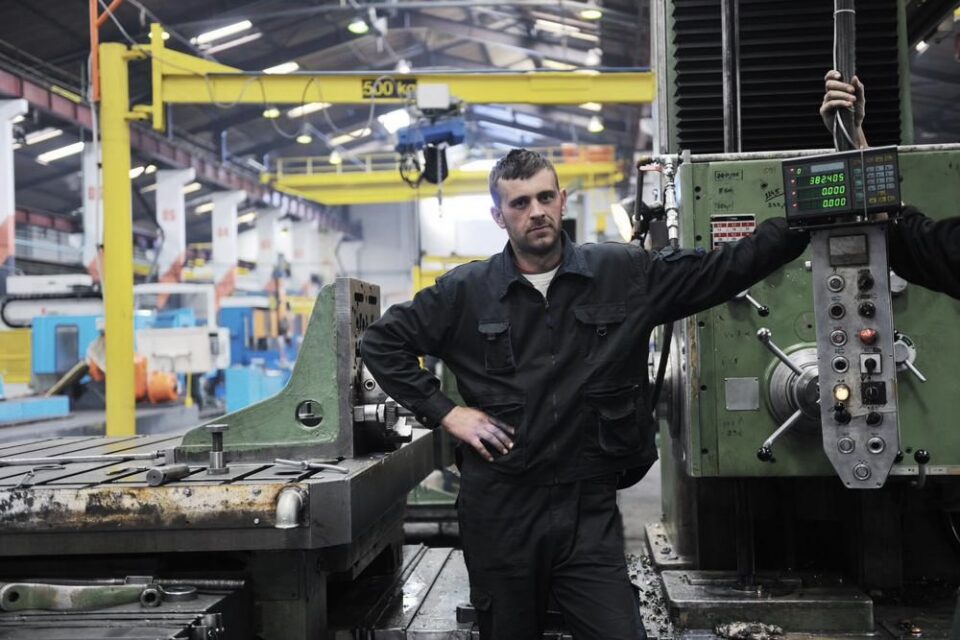
Manufacturing these heavy equipment replacement parts involves more than shaping a piece of steel. Designers and fabricators must consider how the blade will interact with the material being moved, how it will be attached to the equipment, and how its design affects wear over time.
The Cutting Edge Has a Specific Job
A grader blade is designed to engage the ground and help move or shape material as equipment travels across a surface. The cutting edge must be suited to the type of work being performed, whether that involves maintaining gravel roads, shaping soil, or working with other materials.
Its profile can influence how it contacts the surface and how material moves across the blade. Small differences in geometry may affect penetration, wear patterns, and the way the component performs under load. This makes dimensional accuracy important during manufacturing.
The blade also needs to fit the equipment for which it is intended. Hole placement, overall dimensions, thickness, and mounting requirements should be confirmed before production begins.
Why Bevel Design Deserves Attention
The edge profile is one of the defining features of a grader blade. A bevel changes the shape of the cutting edge and can influence how the blade engages the working surface. Different configurations may be appropriate depending on the application, equipment, and material conditions.
Manufacturers of heavy equipment replacement parts must account for the intended use rather than assuming one design will work equally well in every environment. A blade used for routine road maintenance may face different demands from one used in heavier grading applications.
For operations evaluating replacement components, grader blade manufacturing involves decisions about edge geometry as well as the material and dimensions needed for the finished part.
Connecting Manufacturing Accuracy to Equipment Fit
A replacement blade that does not match its intended mounting arrangement can create installation problems and interfere with equipment operation. Accurate measurements are therefore essential. Manufacturers need to account for the equipment model, mounting pattern, required dimensions, and any application-specific specifications.
Production methods also influence the consistency of finished parts. Cutting, forming, machining, and finishing operations must be performed according to the component’s requirements. Inspection helps confirm that the blade matches the intended design before it is sent for installation.
Clear communication between equipment owners and suppliers can prevent avoidable errors. Providing accurate measurements and identifying the machine or application helps ensure that the replacement component is selected appropriately.
Considering the Entire Structural Project
Grading equipment is often used during site preparation for larger construction projects. Before foundations, paved surfaces, and buildings can take shape, crews may need to establish elevations, create drainage patterns, and prepare the ground. The quality of this early work can influence later construction activities.
The buildings that eventually occupy a site rely on their own structural systems. In many commercial and industrial projects, bar joists are used to support roof structures and create space for other building systems. These components serve a different purpose from equipment cutting edges, but both illustrate why project materials must be selected according to their intended function.
Understanding the role of each component helps contractors plan more effectively. Equipment parts need to match the demands of field work, while structural members must satisfy the engineering requirements of the building.
A More Informed Approach to Replacement Parts
Choosing a replacement blade should involve more than comparing dimensions or prices. Buyers should consider the equipment, working conditions, edge configuration, and expected demands placed on the component. Manufacturers, in turn, need accurate specifications and a clear understanding of the intended application.
When blade geometry and manufacturing details are considered together, heavy equipment replacement parts can be better suited to the work they are expected to perform. That attention to design helps support reliable equipment operation across a wide range of grading tasks.