

A Media Startup Founder’s Lesson for Rising Entrepreneurs
For almost six months after shutting down Buildspace, Farza Majeed did not touch his laptop. He took a break not only from work, but also from keeping up with what was happening in the industry.
“I wasn’t doing anything. I wasn’t working, I wasn’t looking at anything,” he said.
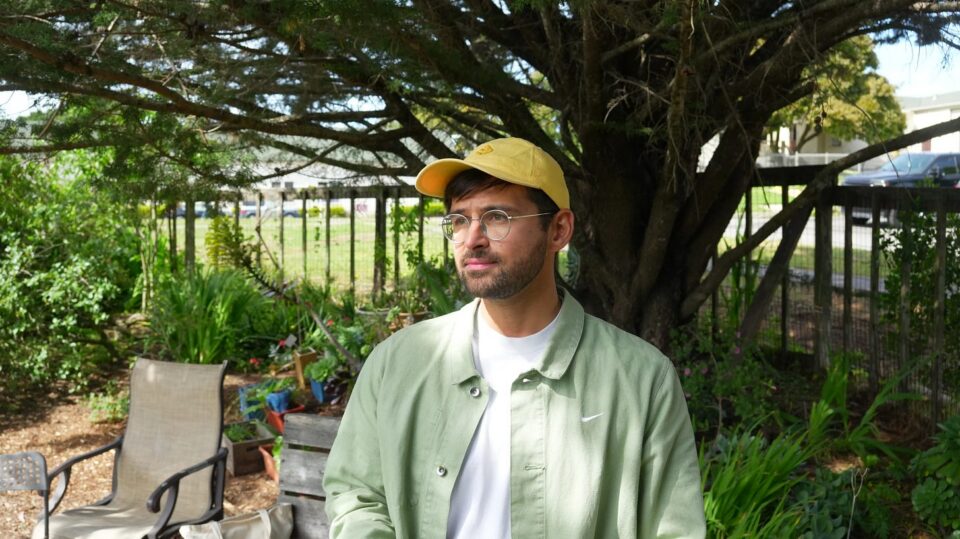
Majeed is the founder of Buildspace, a program that gives people the opportunity to work on their own ideas through online courses, videos and seasonal programs. What started as a place for people to learn how to build things eventually became something much closer to a media company, with a team focused on telling stories and helping people pursue projects of their own. But as Buildspace grew, Majeed began to question what came next.
A big part of Buildspace’s growth came from the people behind its content. Majeed said his team genuinely loved the media and the work that went into telling stories. The company was not just putting videos together to get people to sign up for a program.
“We didn’t just make slop videos; we all loved telling the story, and we built a genuinely talented team of storytellers,” he said.
Majeed said that was important because Buildspace was essentially a media company. Its videos and the community around them helped attract people and keep them interested, allowing the company to build an audience around helping people create projects of their own.
Though the company had grown, Majeed also recognized that Buildspace had become too closely tied to him personally. He agreed that the company had revolved around him from the beginning, saying that was intentional. Looking back, he thought the company could have developed differently if more people had become part of “the show” instead of having everything revolve around him.
Deciding When to Shut Down
About a year before Buildspace closed, Majeed began questioning where the company was going and why. He had spent years building it, but he was no longer sure what he wanted it to become.
Buildspace had just finished its largest season, which Majeed said had reached 110,000 people. That made the company’s final day an unusual turning point. In his August 2024 letter announcing the closure, he also described Buildspace as being in its strongest position, with more than two years of runway remaining.
Still, investor pressure and a lack of money did not drive his decision.
Majeed said he had already spent roughly a year trying to find a new direction. He continued pushing forward, but the company’s growth did not solve the larger problem. He could not find another idea that he wanted to put everything into, and he no longer enjoyed the work the way he once had.
After five years, Majeed decided to shut Buildspace down.
He estimated that almost everyone accepted the decision, even if they were not happy about it. According to Majeed, around 1% of people were upset, but he found it comforting that most people understood.
“When you build something that big, 1% will always be upset about anything,” he said.
Taking a Step Away From the Industry
Majeed’s time away from Buildspace did not lead immediately to another company. Beyond spending time with family and friends, he said he paid little attention to what was happening in the industry. He did not follow the news or keep up with other startups, and he was not particularly interested in what he was missing.
For someone who had spent years building companies, the change marked a significant shift.
Majeed said that when he makes a major decision, he tends to commit fully, even when he cannot be certain how things will work out.
“In a big change, you’re always uncertain, but you just go full in. You decide this is what we’re doing and you don’t look back,” he said.
Learning From Rejection
Majeed applies a similar way of thinking to rejection. Rather than seeing it as a final judgment on something he has built, he treats rejection as a sign that he has more work to do. He needs to keep improving what he is building and help more people understand why it matters.
“People don’t see the vision yet, so I have to do a better job showing them,” he said.